
The Engineering Behind Solar: Plansets, Structural Letters & Inspections | Charlottesville, VA
Service Available: Solar Panel Installation, Engineering & Permitting Branch: Charlottesville, VA
Project Case Study: Doing Solar the Right Way
When homeowners consider switching to solar, they often focus on the panels, the app, and the utility savings. However, the most critical part of a successful solar project happens long before the crew ever steps foot on the property. Protecting your home—your most valuable asset—requires rigorous engineering, strict code compliance, and third-party oversight.
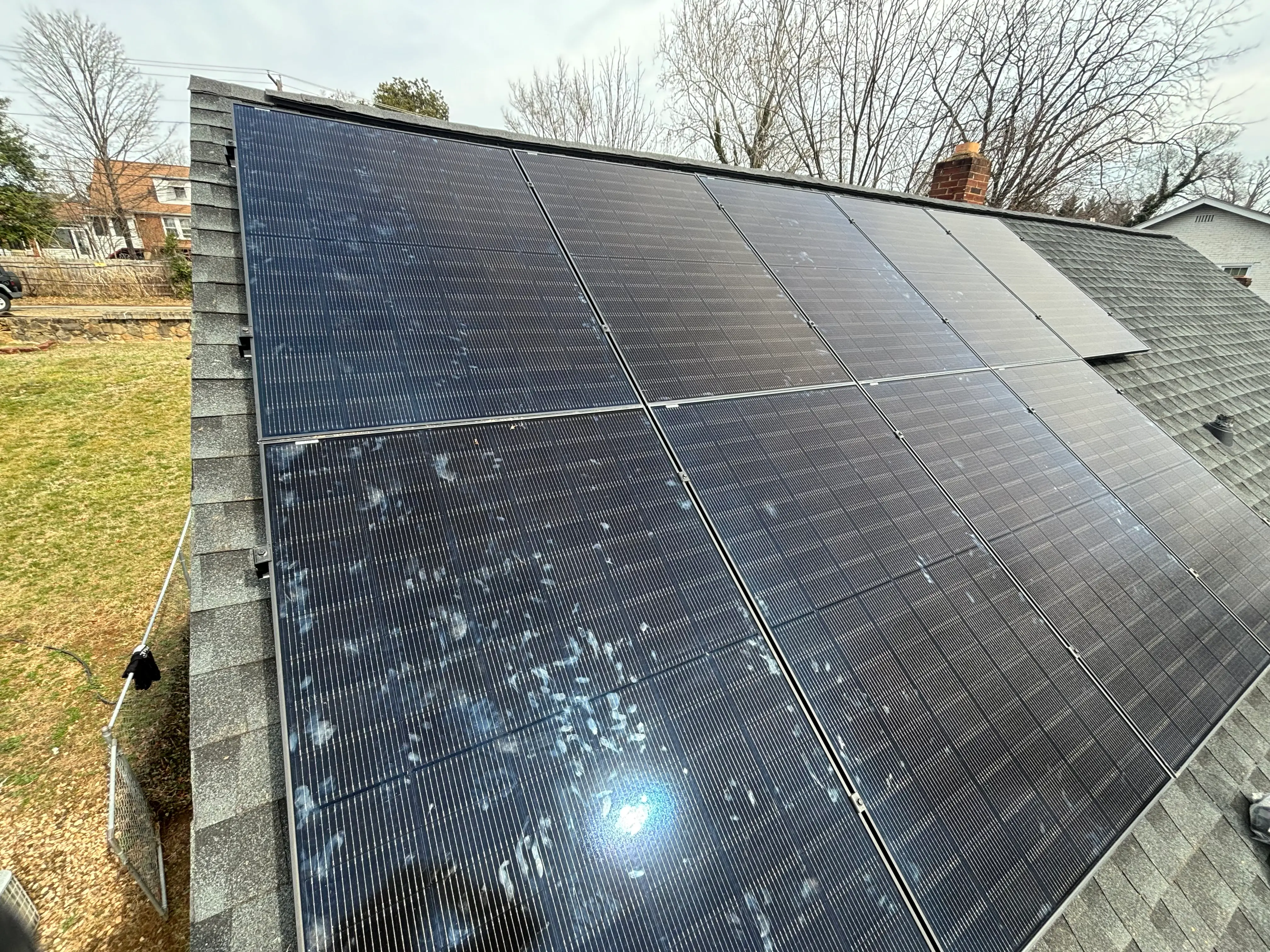
To demonstrate the depth of our pre-installation process for our Charlottesville customers, let's look at the documentation behind a recent 6.525 kW DC residential solar installation we completed. While any company can bolt panels to a roof, we want to show you exactly why a detailed planset, a structural letter, and local inspections are non-negotiable for a safe solar system.
1. What is a Solar Planset and Why is it Needed?
A planset is the comprehensive blueprint for your entire solar project. It outlines every technical detail necessary to build the system safely and effectively. For this specific 6.525 kW system, the planset included the exact array layout on the roof, the structural attachment details showing how the racking connects to the rafters, and a highly detailed electrical line diagram.
Why it matters:
The planset proves to the local building department that the system is designed to the National Electrical Code (NEC) and local building codes. It also ensures that our installation crews have a precise, approved map to follow, eliminating any guesswork on installation day.
2. What is a Structural Letter and Why is it Important?
Solar panels add weight (dead load) to your roof and act like sails catching the wind (uplift forces). A Structural Letter is a formal document, stamped and sealed by a licensed Professional Engineer (PE), certifying that your specific roof can safely handle this added stress.
For this project, the engineer evaluated the home's specific 2x4 rafters spaced at 24 inches on center. The engineer ran calculations against 115 mph ultimate wind speeds and 30 psf ground snow loads. The resulting letter certified that the structural stresses were not increased by more than 5%, meaning the home was perfectly safe to support the 15-module system without additional structural upgrades.
Why it matters:
Without a PE-stamped structural letter, you are gambling with your roof's integrity. This document guarantees your roof won't collapse under snow or lose its panels during a severe storm.
3. The Importance of Plan Approvals and Inspections
You shouldn't just take a solar contractor's word that their work is safe; you need third-party validation. Before we began this project, the county's Development Services reviewed our planset for conformance with the Virginia Uniform Statewide Building Code (VUSBC) and the Virginia Residential Code (VRC). Once the plans were officially approved, we built the system. Afterward, a county inspector visited the property to perform a Final Electrical and Final Building inspection.
Why it matters:
Passing these strict inspections proves that the system was built exactly as engineered and is perfectly safe to operate. It also protects you from future liability when selling your home or filing a homeowners insurance claim.
Key Upgrades & Materials (The Example System)
When the engineering is sound, we pair it with the best technology on the market. The specifications for this engineered system included:
- Premium Solar Panels: We utilized 15 Hyundai 435W (HIN-T435NF) Solar Modules.
- Advanced Microinverters: The system was powered by 15 Enphase IQ8M-72-M-US Microinverters, converting DC to AC power at the roof level for a total AC output of 4.875 kW.
Ready to safely invest in your home's energy future?
Don't settle for a contractor who cuts corners on engineering and permits. Let our local Charlottesville experts design a system backed by real structural science and code compliance.

Ready to Take the Next Step With Solar?
Contact us today for a honest assessment of your solar potential. Let us show you how our approach to solar is different, and why hundreds of homeowners have trusted us to power their future.